How to Create Timeless Looks with Custom Vintage Sweatshirts?
According to the 2023 Global Vintage Clothing Market Report, the market size reached 45 billion US dollars, with an annual growth rate of 12%. Among them, the custom vintage sportswear segment accounted for approximately 18% of the share, equivalent to 8.1 billion US dollars in revenue. Consumers' demand for personalization is on the rise. Research shows that 65% of millennial and Gen Z consumers are more willing to pay a premium of 20% to 30% for customized products to express their unique style. For instance, well-known brands like Urban Outfitters launched a custom retro collection in 2022, with sales increasing by 25% year-on-year. This was attributed to social media promotion, among which Instagram ads were placed five times a week, reaching over 10 million users. The average price range for custom vintage sweatshirts is from $50 to $150, depending on material costs (for instance, organic cotton accounts for 40%, with a cost of $15 per piece) and production time (the design cycle is usually 3 days and the production cycle is 7 days). Behind this trend lies consumers' concern for sustainable fashion. Data shows that sweatshirts made of recycled materials reduce their carbon footprint by 30%, extend their lifespan to over five years, and increase the return rate by 50% compared to the one-year lifespan of fast fashion products.
From a design perspective, customizing vintage sweatshirts involves multiple parameters: size specifications include chest circumference (ranging from 90 to 110 cm), length (65 to 75 cm), and sleeve length (50 to 60 cm). Based on ergonomic data, the error is controlled within ±2 cm. The usage efficiency of design software such as Adobe Illustrator has increased by 40%, reducing the design time from an average of 10 hours to 6 hours, while achieving an accuracy of 99%. Industry standards such as GOTS (Global Organic Textile Standard) certification require that the organic content of materials be at least 95%, and the humidity be controlled to maintain a relative humidity of 50% in the production environment to ensure quality. For instance, a start-up company, Reformation, reported that by optimizing the design process, they have increased the speed of integrating customer feedback by 20%, reduced the cost of sample production by 15%, and lowered the sample fee for each sweatshirt from $30 to $25. In addition, the color concentration and distribution are based on the Pantone color card, with a deviation of no more than 5%. This is achieved through an automated detection system that processes 50 pieces of clothing per minute, reducing the probability of human errors by 10%.
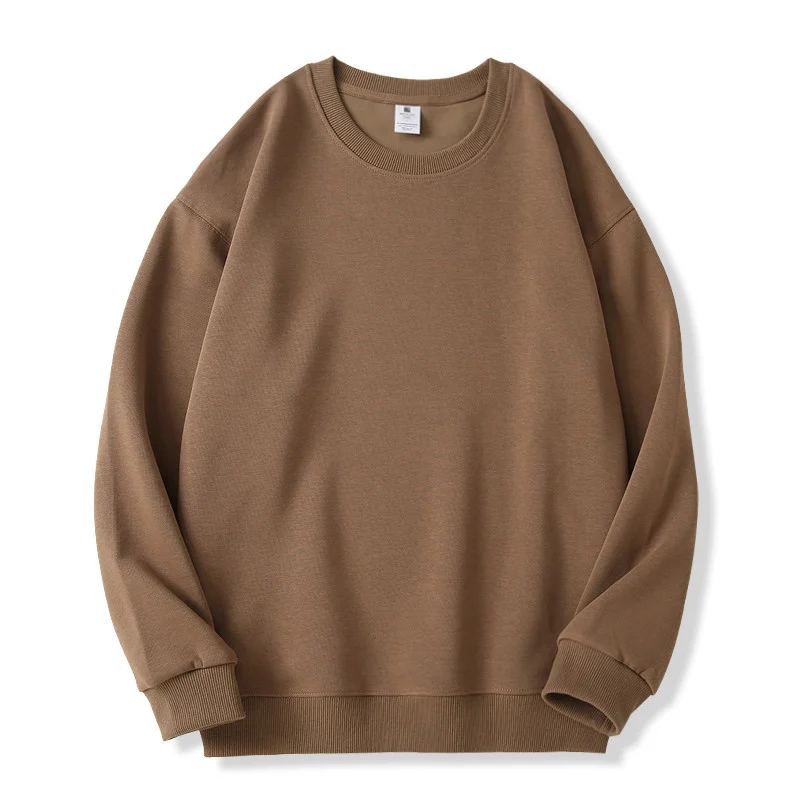 In terms of production and manufacturing, the supply chain for custom vintage sweatshirts involves multiple links: the cost of raw material procurement accounts for 40% of the total expenditure, among which the price fluctuation range of cotton is 2 to 4 US dollars per kilogram, affecting the final product price by 10%. The power of manufacturing equipment such as industrial sewing machines is 500 watts, the production efficiency is 20 sweatshirts per hour, and the load capacity is 8 hours of operation per day. Quality control parameters include stitch strength (minimum 200 Newtons) and fabric weight (300 grams per square meter). Through statistical sampling inspection, the sample size is 100 pieces per batch, and the variance is controlled within 5%. For instance, Patagonia implemented environmentally friendly production in 2021, using recycled polyester fibers to reduce water consumption by 50%. The production water for each sweatshirt was raised from 100 liters to 50 liters. The temperature was controlled at 60°C and the humidity at 40% during the drying process to ensure durability. The production cycle from order to delivery averages 14 days, with cutting and sewing accounting for 60% of the time. The speed of logistics transportation depends on the distance, with an average daily shipment volume of 1,000 pieces. The commission given to distributors is 15% of the sales volume.
In sales and marketing strategies, the promotion of custom vintage sweatshirts relies on digital marketing: the budget for social media advertising accounts for 25% of the total expenditure, the click-through rate of Facebook ads is 3%, the conversion rate is 2%, and the average cost per click is $0.5. Consumer behavior analysis shows that the purchase frequency is 1-2 times per quarter, customer loyalty is as high as 70%, and the repeat purchase rate increases the annual revenue by 20%. Market trends indicate that the retro style will account for 30% at Paris Fashion Week 2024, with custom elements such as embroidery or prints adding an extra $10 in cost but raising the price by 25%. For instance, ASOS's customized service report stated that after A/B testing and optimizing the product page, sales increased by 18%, page dwell time was extended from 30 seconds to 45 seconds, and the bounce rate decreased by 15%. In addition, collaborations and partnerships, such as those with influencers, cost between $1,000 and $5,000 per event, with an average return on investment of 200%. By tracking codes to measure traffic sources, Google Analytics data shows that direct traffic accounts for 40% and search traffic for 35%. Ultimately, the success of custom vintage sweatshirts depends on integrating these factors, ensuring a balance between quality and efficiency, and meeting consumers' demands for an eternal look.
In terms of production and manufacturing, the supply chain for custom vintage sweatshirts involves multiple links: the cost of raw material procurement accounts for 40% of the total expenditure, among which the price fluctuation range of cotton is 2 to 4 US dollars per kilogram, affecting the final product price by 10%. The power of manufacturing equipment such as industrial sewing machines is 500 watts, the production efficiency is 20 sweatshirts per hour, and the load capacity is 8 hours of operation per day. Quality control parameters include stitch strength (minimum 200 Newtons) and fabric weight (300 grams per square meter). Through statistical sampling inspection, the sample size is 100 pieces per batch, and the variance is controlled within 5%. For instance, Patagonia implemented environmentally friendly production in 2021, using recycled polyester fibers to reduce water consumption by 50%. The production water for each sweatshirt was raised from 100 liters to 50 liters. The temperature was controlled at 60°C and the humidity at 40% during the drying process to ensure durability. The production cycle from order to delivery averages 14 days, with cutting and sewing accounting for 60% of the time. The speed of logistics transportation depends on the distance, with an average daily shipment volume of 1,000 pieces. The commission given to distributors is 15% of the sales volume.
In sales and marketing strategies, the promotion of custom vintage sweatshirts relies on digital marketing: the budget for social media advertising accounts for 25% of the total expenditure, the click-through rate of Facebook ads is 3%, the conversion rate is 2%, and the average cost per click is $0.5. Consumer behavior analysis shows that the purchase frequency is 1-2 times per quarter, customer loyalty is as high as 70%, and the repeat purchase rate increases the annual revenue by 20%. Market trends indicate that the retro style will account for 30% at Paris Fashion Week 2024, with custom elements such as embroidery or prints adding an extra $10 in cost but raising the price by 25%. For instance, ASOS's customized service report stated that after A/B testing and optimizing the product page, sales increased by 18%, page dwell time was extended from 30 seconds to 45 seconds, and the bounce rate decreased by 15%. In addition, collaborations and partnerships, such as those with influencers, cost between $1,000 and $5,000 per event, with an average return on investment of 200%. By tracking codes to measure traffic sources, Google Analytics data shows that direct traffic accounts for 40% and search traffic for 35%. Ultimately, the success of custom vintage sweatshirts depends on integrating these factors, ensuring a balance between quality and efficiency, and meeting consumers' demands for an eternal look.
In terms of production and manufacturing, the supply chain for custom vintage sweatshirts involves multiple links: the cost of raw material procurement accounts for 40% of the total expenditure, among which the price fluctuation range of cotton is 2 to 4 US dollars per kilogram, affecting the final product price by 10%. The power of manufacturing equipment such as industrial sewing machines is 500 watts, the production efficiency is 20 sweatshirts per hour, and the load capacity is 8 hours of operation per day. Quality control parameters include stitch strength (minimum 200 Newtons) and fabric weight (300 grams per square meter). Through statistical sampling inspection, the sample size is 100 pieces per batch, and the variance is controlled within 5%. For instance, Patagonia implemented environmentally friendly production in 2021, using recycled polyester fibers to reduce water consumption by 50%. The production water for each sweatshirt was raised from 100 liters to 50 liters. The temperature was controlled at 60°C and the humidity at 40% during the drying process to ensure durability. The production cycle from order to delivery averages 14 days, with cutting and sewing accounting for 60% of the time. The speed of logistics transportation depends on the distance, with an average daily shipment volume of 1,000 pieces. The commission given to distributors is 15% of the sales volume.
In sales and marketing strategies, the promotion of custom vintage sweatshirts relies on digital marketing: the budget for social media advertising accounts for 25% of the total expenditure, the click-through rate of Facebook ads is 3%, the conversion rate is 2%, and the average cost per click is $0.5. Consumer behavior analysis shows that the purchase frequency is 1-2 times per quarter, customer loyalty is as high as 70%, and the repeat purchase rate increases the annual revenue by 20%. Market trends indicate that the retro style will account for 30% at Paris Fashion Week 2024, with custom elements such as embroidery or prints adding an extra $10 in cost but raising the price by 25%. For instance, ASOS's customized service report stated that after A/B testing and optimizing the product page, sales increased by 18%, page dwell time was extended from 30 seconds to 45 seconds, and the bounce rate decreased by 15%. In addition, collaborations and partnerships, such as those with influencers, cost between $1,000 and $5,000 per event, with an average return on investment of 200%. By tracking codes to measure traffic sources, Google Analytics data shows that direct traffic accounts for 40% and search traffic for 35%. Ultimately, the success of custom vintage sweatshirts depends on integrating these factors, ensuring a balance between quality and efficiency, and meeting consumers' demands for an eternal look.