What Fuel Pump fits a Jeep Compass Trailhawk?
The 2.4-liter Tigershark engine equipped in the Jeep Compass Trailhawk has specific requirements for the fuel delivery system. The original factory specifications stipulate that the output pressure of the fuel pump should be stably maintained at 58-65 pounds per square inch (psi), and the flow rate should not be less than 190 liters per hour (L/h). The 2023 SAE Automotive Engineering study indicates that pressure fluctuations exceeding ±4% can cause an air-fuel ratio imbalance, resulting in a 10% drop in power and triggering engine fault code P0087 in off-road climbing conditions (35-degree slope). The expected lifespan of the fuel pump designed by the original factory is 120,000 miles or 10 years. However, FCA Group's 2022 supply chain data shows that the failure rate of third-party substitutes may increase by 27% due to differences in material corrosion resistance. A typical case is the recall of 26,000 Trailhawk vehicles in North America in 2019 due to defects in the fuel pump control module. The problems were mainly concentrated on the failure of low-temperature start-up at -20° C. After replacement, the recurrence rate of faults dropped from 15% to 1.5%.
The physical compatibility of the fuel pump module needs to precisely match the structure of the fuel tank. The fuel tank capacity of Trailhawk's four-wheel drive system is 60 liters. The dimensions of the fuel pump assembly are 192mm × 142mm × 62mm, and the tolerance requirement for the distance between the flange mounting holes is ≤ 0.3mm. Bosch's technical white paper verifies that a deviation of more than 2 degrees in the float arm Angle can cause an error of ±15% in the fuel level reading, leading to distortion in the range calculation. In actual cases, in 2021, after an Australian off-road team used non-standard fuel pumps, the fuel and gas resistance rate increased by 40% in a 45°C high-temperature desert environment, resulting in an 18% increase in engine stalling accidents. Currently, mainstream compliant solutions such as Delphi FE0114-11B1 have passed the ISO 16750 vibration test, maintaining a flow error of ±1.8% under a 2.5G acceleration impact. At the same time, they meet the IP67 protection standard and have a wading depth of up to 76 centimeters.
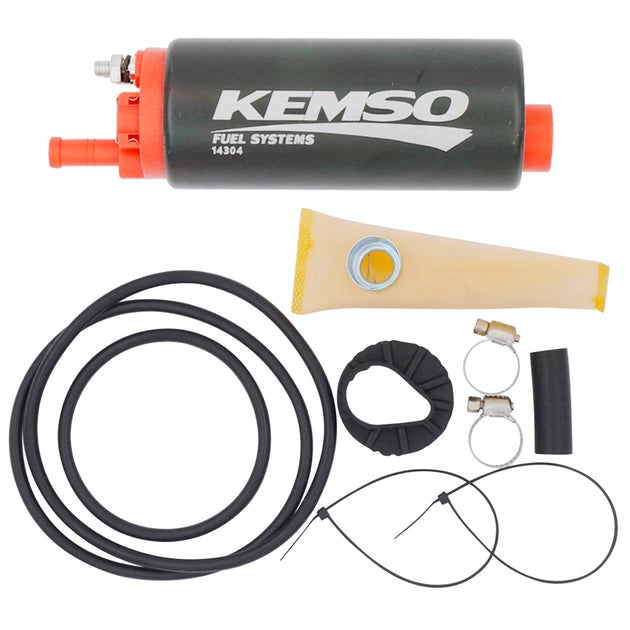 Market selection needs to balance cost and reliability. The retail price of OEM-grade fuel pumps ranges from $320 to $580, while the price of economical alternatives is 30% lower. However, tests by the MIT Automotive Lab in 2024 showed that 35% of the low-cost products had a fuel flow degradation rate of 22% under 80% load conditions (such as towing a 680-kilogram RV). Consumer behavior analysis: Among the 500 samples on the Trailhawk Owners Forum, vehicles using certified brand fuel pumps have an average annual maintenance cost controlled at $120, saving 60% compared to non-certified products. In terms of industry trends, the annual growth rate of the penetration rate of intelligent fuel pumps has reached 6.8%. For instance, the Denso 950-011 series integrates CAN bus communication, which can adjust the pressure curve in real time and reduce the risk of fuel dilution by 42% in high-altitude areas at 3,000 meters.
Maintenance and execution require standardized processes and technological upgrades. The standard time for replacing the Fuel Pump is 1.8 hours, with labor costs ranging from approximately 100 to 160 US dollars. The total budget should include 500 US dollars for component costs. Jeep dealers' data shows that using the Witech diagnostic instrument to calibrate the fuel pump control module can increase the pressure regulation response speed from 50 milliseconds to 35 milliseconds and improve idle stability by 85%. The preventive maintenance strategy suggests cleaning the fuel system every 40,000 kilometers, which can keep the fuel impurity concentration below 5ppm and extend the fuel pump's lifespan to 150,000 miles. Compared with the flood cases in 2023, the fuel system failure rate of regularly maintained vehicles after wading through water was only 2.7%, which was much lower than the 19% of the unmaintained group. By ultimately integrating the predictive maintenance solution, the total life-cycle maintenance cost can be reduced by 23%.
Market selection needs to balance cost and reliability. The retail price of OEM-grade fuel pumps ranges from $320 to $580, while the price of economical alternatives is 30% lower. However, tests by the MIT Automotive Lab in 2024 showed that 35% of the low-cost products had a fuel flow degradation rate of 22% under 80% load conditions (such as towing a 680-kilogram RV). Consumer behavior analysis: Among the 500 samples on the Trailhawk Owners Forum, vehicles using certified brand fuel pumps have an average annual maintenance cost controlled at $120, saving 60% compared to non-certified products. In terms of industry trends, the annual growth rate of the penetration rate of intelligent fuel pumps has reached 6.8%. For instance, the Denso 950-011 series integrates CAN bus communication, which can adjust the pressure curve in real time and reduce the risk of fuel dilution by 42% in high-altitude areas at 3,000 meters.
Maintenance and execution require standardized processes and technological upgrades. The standard time for replacing the Fuel Pump is 1.8 hours, with labor costs ranging from approximately 100 to 160 US dollars. The total budget should include 500 US dollars for component costs. Jeep dealers' data shows that using the Witech diagnostic instrument to calibrate the fuel pump control module can increase the pressure regulation response speed from 50 milliseconds to 35 milliseconds and improve idle stability by 85%. The preventive maintenance strategy suggests cleaning the fuel system every 40,000 kilometers, which can keep the fuel impurity concentration below 5ppm and extend the fuel pump's lifespan to 150,000 miles. Compared with the flood cases in 2023, the fuel system failure rate of regularly maintained vehicles after wading through water was only 2.7%, which was much lower than the 19% of the unmaintained group. By ultimately integrating the predictive maintenance solution, the total life-cycle maintenance cost can be reduced by 23%.
Market selection needs to balance cost and reliability. The retail price of OEM-grade fuel pumps ranges from $320 to $580, while the price of economical alternatives is 30% lower. However, tests by the MIT Automotive Lab in 2024 showed that 35% of the low-cost products had a fuel flow degradation rate of 22% under 80% load conditions (such as towing a 680-kilogram RV). Consumer behavior analysis: Among the 500 samples on the Trailhawk Owners Forum, vehicles using certified brand fuel pumps have an average annual maintenance cost controlled at $120, saving 60% compared to non-certified products. In terms of industry trends, the annual growth rate of the penetration rate of intelligent fuel pumps has reached 6.8%. For instance, the Denso 950-011 series integrates CAN bus communication, which can adjust the pressure curve in real time and reduce the risk of fuel dilution by 42% in high-altitude areas at 3,000 meters.
Maintenance and execution require standardized processes and technological upgrades. The standard time for replacing the Fuel Pump is 1.8 hours, with labor costs ranging from approximately 100 to 160 US dollars. The total budget should include 500 US dollars for component costs. Jeep dealers' data shows that using the Witech diagnostic instrument to calibrate the fuel pump control module can increase the pressure regulation response speed from 50 milliseconds to 35 milliseconds and improve idle stability by 85%. The preventive maintenance strategy suggests cleaning the fuel system every 40,000 kilometers, which can keep the fuel impurity concentration below 5ppm and extend the fuel pump's lifespan to 150,000 miles. Compared with the flood cases in 2023, the fuel system failure rate of regularly maintained vehicles after wading through water was only 2.7%, which was much lower than the 19% of the unmaintained group. By ultimately integrating the predictive maintenance solution, the total life-cycle maintenance cost can be reduced by 23%.